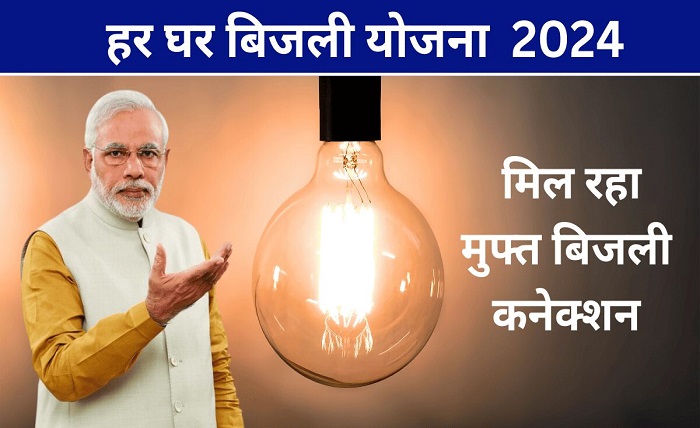
Introduction
Har ghar bijli is more than just a government initiative; it represents progress, empowerment, and a brighter future for millions. The vision of har ghar bijli focuses on ensuring every household has access to uninterrupted electricity, helping families enjoy modern conveniences and better opportunities. From rural villages to urban neighborhoods, har ghar bijli is creating positive change across communities.
Electricity has become a basic necessity in today’s world, and har ghar bijli aims to make it accessible for all. Whether it is powering homes, schools, hospitals, or businesses, har ghar bijli contributes to social and economic development. In this article, we will explore the significance, benefits, challenges, and future of har ghar bijli.
What Is Har Ghar Bijli?
Har ghar bijli refers to the mission of providing electricity connections to every household. The concept of har ghar bijli is rooted in ensuring no family lives without access to power, regardless of location or economic status.
Through har ghar bijli, governments and power agencies have worked to extend electrical infrastructure into remote and underserved areas. The objective of har ghar bijli is not only to connect homes but also to improve quality of life by enabling access to lighting, communication, and digital services.
The importance of har ghar bijli extends beyond convenience. It promotes equality by ensuring all citizens benefit from modern infrastructure. As a result, har ghar bijli has become a symbol of inclusive development.
Benefits of Har Ghar Bijli for Households
One of the biggest advantages of har ghar bijli is improved living standards. With electricity, families can use lighting, fans, appliances, and essential devices, making daily life easier and safer. Har ghar bijli helps reduce dependence on kerosene lamps and other unsafe alternatives.
Education has greatly benefited from har ghar bijli. Students can study after dark, use computers, and access online learning resources. Through har ghar bijli, children in rural areas get opportunities similar to those in cities.
Healthcare is another area where har ghar bijli makes a difference. Reliable electricity supports medical facilities, refrigeration for medicines, and emergency care. At the household level, har ghar bijli improves sanitation and access to health information.
Women also benefit significantly from har ghar bijli, as it reduces household burdens and increases safety. Many women can pursue home-based businesses because of har ghar bijli, contributing to financial independence.
Har Ghar Bijli and Rural Development
Rural development has accelerated because of har ghar bijli. Villages with electricity connections can support small industries, irrigation systems, and digital services. This makes har ghar bijli a major driver of economic growth.
Agriculture has seen improvements through har ghar bijli as farmers use electric pumps, storage facilities, and modern equipment. By supporting agricultural productivity, har ghar bijli helps strengthen rural economies.
Employment opportunities have expanded due to har ghar bijli. Small businesses such as shops, workshops, and service centers thrive when reliable power is available. In many communities, har ghar bijli has reduced migration by creating local opportunities.
Digital inclusion is another benefit of har ghar bijli. Internet access, mobile charging, and online services become possible, connecting rural populations to wider opportunities. This makes har ghar bijli crucial for bridging the urban-rural divide.
Government Initiatives Supporting Har Ghar Bijli
Several government programs have supported the goal of har ghar bijli through electrification projects, subsidies, and infrastructure development. These efforts have helped bring electricity to millions of homes.
The focus of har ghar bijli initiatives often includes expanding transmission lines, improving grid reliability, and offering affordable connections. Such measures ensure that har ghar bijli reaches even remote locations.
Public-private partnerships have also contributed to har ghar bijli by combining government support with private sector innovation. This collaboration strengthens the success of har ghar bijli projects.
Awareness campaigns play a role in har ghar bijli as well. Communities are educated about electricity usage, safety, and energy conservation, ensuring the long-term success of har ghar bijli programs.
Challenges in Achieving Har Ghar Bijli
Despite major progress, har ghar bijli faces challenges. One common issue is infrastructure limitations in remote areas where building transmission networks can be difficult and costly.
Power reliability is another concern. In some regions, har ghar bijli connections exist, but frequent outages reduce effectiveness. Ensuring uninterrupted supply remains essential for the success of har ghar bijli.
Affordability can also be a challenge. Although connections may be provided, some households struggle with electricity bills. Sustainable pricing solutions are important for making har ghar bijli accessible to all.
Maintenance and technical support are equally crucial. Without proper upkeep, har ghar bijli systems may face disruptions. Addressing these challenges ensures the long-term impact of har ghar bijli.
Role of Renewable Energy in Har Ghar Bijli
Renewable energy is playing an increasing role in har ghar bijli. Solar power, wind energy, and mini-grids are helping bring electricity to remote areas where traditional grids may be impractical.
Solar solutions support har ghar bijli by providing affordable and sustainable electricity. Many rural households benefit from solar systems that align with the mission of har ghar bijli.
Clean energy also reduces environmental impact. By integrating renewable sources, har ghar bijli can support both development and sustainability goals.
Innovation in energy storage and smart grids further strengthens har ghar bijli. These technologies improve efficiency and ensure reliable access, making renewable-powered har ghar bijli increasingly practical.
Economic Impact of Har Ghar Bijli
The economic benefits of har ghar bijli are significant. Access to electricity increases productivity, supports entrepreneurship, and stimulates local economies.
Small businesses depend on har ghar bijli for operations such as lighting, refrigeration, machinery, and digital payments. This creates jobs and boosts income generation.
Industrial growth also benefits from har ghar bijli, as widespread electrification supports supply chains and market expansion. As a result, har ghar bijli contributes to broader national development.
Improved infrastructure through har ghar bijli attracts investment and promotes innovation. By powering economic activities, har ghar bijli serves as a foundation for long-term prosperity.
Future of Har Ghar Bijli
The future of har ghar bijli lies in improving quality, reliability, and sustainability. Beyond household connections, the next phase of har ghar bijli focuses on uninterrupted and affordable power for all.
Smart technologies are expected to strengthen har ghar bijli through digital monitoring, energy management, and efficient distribution systems.
Renewable integration will continue shaping har ghar bijli, ensuring environmentally friendly electrification. With innovation and policy support, har ghar bijli can achieve even greater impact.
As communities grow and technology advances, har ghar bijli will remain central to development. The mission is no longer just access, but empowering every household through reliable electricity.
Conclusion
Har ghar bijli is transforming lives by bringing light, opportunity, and progress to every home. From education and healthcare to rural development and economic growth, har ghar bijli has far-reaching benefits.
While challenges remain, continued investment, innovation, and community participation can strengthen har ghar bijli for future generations. The vision of har ghar bijli is not just about electricity—it is about empowerment, inclusion, and a brighter tomorrow.
FAQs
1. What does har ghar bijli mean?
Har ghar bijli means providing electricity access to every household, ensuring all families benefit from reliable power.
2. Why is har ghar bijli important?
Har ghar bijli is important because it improves living standards, supports education, enhances healthcare, and promotes economic development.
3. How does har ghar bijli help rural areas?
Har ghar bijli helps rural areas by supporting agriculture, creating jobs, improving digital access, and encouraging local development.
4. What challenges does har ghar bijli face?
Challenges in har ghar bijli include infrastructure limitations, power reliability, affordability, and maintenance issues.
5. What is the future of har ghar bijli?
The future of har ghar bijli includes smarter grids, renewable energy integration, and more reliable electricity access for all.