Introduction
The concept of style font plays a crucial role in design, branding, and digital communication. A style font determines how text visually appears, influencing readability, mood, and user experience. Whether you are designing a website, creating social media graphics, or working on a logo, understanding style font is essential for making your content visually appealing and professional.
What Is Style Font and Why It Matters
A style font refers to the specific design of characters in typography, including shape, weight, spacing, and structure. It matters because style font directly affects how people perceive your message. A clean and modern style font can make content look professional, while a decorative one can add personality and creativity to your design.
Types of Style Font You Should Know
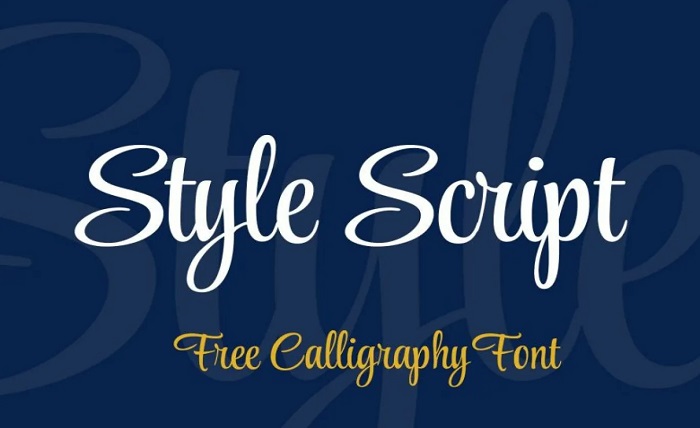
There are several categories of style font that designers commonly use. Serif fonts give a traditional and formal look, while sans-serif fonts offer a clean and modern feel. Script style font mimics handwriting, and decorative fonts are used for artistic or attention-grabbing purposes. Choosing the right style font depends on the purpose of your project and the emotion you want to convey.
How to Choose the Right Style Font for Your Project
Selecting the right style font requires understanding your audience and design goals. For professional documents, a simple and readable style font is best. For creative branding, a unique style font can help you stand out. You should also consider readability across devices, ensuring that your style font works well on both mobile and desktop screens.
The Role of Style Font in Branding
A strong style font can become a key part of your brand identity. Companies often use consistent style font choices across logos, websites, and advertisements to build recognition. For example, a luxury brand may use an elegant style font, while a tech company might prefer a modern and minimal style font to reflect innovation and simplicity.
Style Font in Web and UI Design
In web design, style font is critical for user experience. A well-chosen style font improves readability and keeps visitors engaged. Designers often combine different style fonts for headings and body text to create visual hierarchy. A poor style font choice, however, can make a website look unprofessional and difficult to read.
Tips for Using Style Font Effectively
To use style font effectively, you should avoid overusing multiple fonts in one design. Stick to two or three complementary style fonts for consistency. Pay attention to spacing, size, and contrast to ensure readability. Testing your style font on different devices also helps ensure that your design remains visually appealing everywhere.
Common Mistakes When Working with Style Font
One common mistake with style font is choosing overly decorative fonts that reduce readability. Another mistake is ignoring font pairing, which can make designs look inconsistent. Designers also sometimes forget to consider cultural or emotional associations of a style font, which can affect how the message is received by the audience.
Conclusion
In conclusion, style font is more than just a design choice—it is a powerful communication tool. It influences branding, readability, and overall visual impact. By understanding different types of style font and using them correctly, you can greatly improve the effectiveness of your design projects and create a stronger connection with your audience.
FAQs
1. What is a style font?
A style font is the design and appearance of text characters, including shape, weight, and structure, used in digital and print design.
2. Why is style font important in design?
A style font is important because it affects readability, branding, and the emotional tone of the content.
3. How many style fonts should I use in one project?
It is recommended to use 2–3 complementary style font styles to maintain consistency and readability.
4. What is the best style font for websites?
A clean sans-serif style font is often best for websites because it improves readability on digital screens.
5. Can style font affect branding?
Yes, a consistent style font helps build strong brand identity and makes a business more recognizable to its audience.