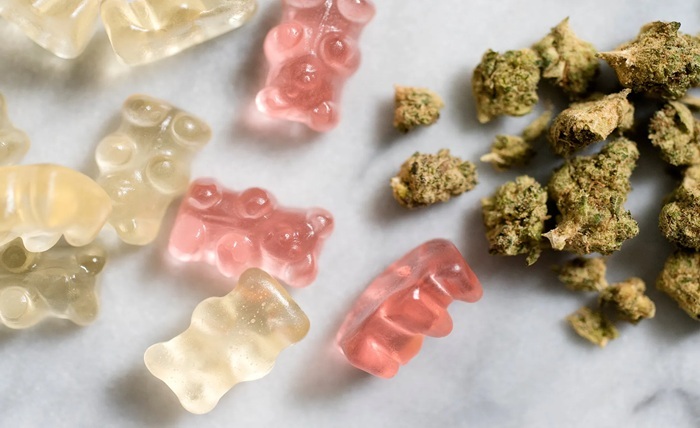
Cannabis-infused edibles have grown in popularity as more people look for alternatives to smoking or vaping. Among the many options available, THC Gummies stand out as one of the most widely used forms. However, they are just one category within a much broader range of edible products. Understanding how they compare to other edibles can help users make more informed choices based on their preferences, lifestyle, and desired effects.
What Are THC Gummies?
THC Gummies are chewable, candy-like edibles infused with tetrahydrocannabinol (THC), the psychoactive compound found in cannabis. They are typically flavored, colorful, and easy to dose, making them appealing for both beginners and experienced users. Each gummy usually contains a measured amount of THC, allowing for consistent consumption.
Because of their discreet appearance and convenience, THC Gummies are often preferred by those who want a controlled and predictable experience without drawing attention.
What Are Other Cannabis Edibles?
Other edibles include a wide variety of products such as brownies, cookies, chocolates, beverages, capsules, and even savory snacks. Unlike gummies, these products often resemble traditional foods and may vary in potency, texture, and absorption rate.
For example, baked goods like brownies may contain THC infused into butter or oil, while beverages might include THC extracts blended into liquids. These variations can impact how the body processes the THC and how quickly effects are felt.
Key Differences in Dosage and Consistency
One of the biggest advantages of THC Gummies is their precise dosing. Each gummy is manufactured to contain a specific amount of THC, making it easier to track intake. This consistency is especially helpful for beginners who want to avoid overconsumption.
In contrast, other edibles like homemade brownies or cookies may not always provide uniform THC distribution. This can lead to uneven dosing, where one portion is significantly stronger than another. Even commercially produced baked goods may have slight variations compared to the standardized format of gummies.
Onset Time and Absorption
All cannabis edibles, including THC Gummies, must pass through the digestive system before entering the bloodstream. This means the effects usually take longer to kick in compared to smoking or vaping—typically between 30 minutes to 2 hours.
However, the type of edible can influence how quickly THC is absorbed. Gummies are often made with ingredients that allow for more predictable digestion, while heavier foods like brownies may take longer to break down. Beverages, on the other hand, may act faster because liquids are absorbed more quickly by the body.
Flavor and Experience
THC Gummies are specifically designed to taste good. They come in a wide range of flavors, from fruity to sour, and often mask the natural taste of cannabis effectively. This makes them an enjoyable option for users who dislike the earthy flavor of traditional edibles.
Other edibles may retain more of the cannabis taste, especially if the infusion process is not refined. While some people enjoy the richness of cannabis-infused chocolates or baked goods, others may find the flavor overpowering.
Shelf Life and Storage
Another area where THC Gummies have an advantage is shelf life. Because they are gelatin-based and often contain preservatives, they tend to last longer when stored properly. They are also less prone to spoilage compared to baked goods.
Other edibles like brownies or cookies may have a shorter shelf life and require refrigeration to maintain freshness. This can make them less convenient for long-term storage or travel.
Discretion and Portability
THC Gummies are small, lightweight, and easy to carry, making them highly portable. They resemble regular candy, which adds an extra layer of discretion. Users can consume them without attracting attention in most settings.
In contrast, other edibles may be bulkier or more noticeable. Carrying a brownie or a cannabis-infused drink is less discreet and may not be practical in all situations.
Variety and Customization
While THC Gummies offer a wide range of flavors and strengths, other edibles provide more diversity in terms of textures and culinary experiences. From savory snacks to gourmet desserts, the options are nearly endless.
This variety allows users to experiment and find products that match their taste preferences. However, this flexibility can also lead to inconsistencies in potency and experience.
Effects and Duration
The effects of THC edibles, including THC Gummies, are generally longer-lasting than inhaled cannabis. Once digested, THC is converted into a compound that produces more intense and prolonged effects.
That said, the type of edible can influence the experience. Gummies often provide a steady and predictable effect, while other edibles may result in a slower onset and sometimes stronger or more variable intensity.
Which Option Is Better?
Choosing between THC Gummies and other edibles ultimately depends on individual preferences. If you value convenience, precise dosing, and a consistent experience, gummies are a strong choice. On the other hand, if you enjoy variety and don’t mind some variability, other edibles may offer a more diverse experience.
It’s important to start with a low dose, regardless of the type of edible, and wait for the effects to fully develop before consuming more. This helps reduce the risk of overconsumption and ensures a safer, more enjoyable experience.
Final Thoughts
Both THC Gummies and other cannabis edibles have their own advantages and unique characteristics. Gummies stand out for their simplicity, consistency, and ease of use, while other edibles provide a broader range of flavors and experiences. By understanding these differences, users can make better choices that align with their needs and expectations.