Introduction
The popularity of stylishfont has grown rapidly in the digital world because people want their text to look unique, creative, and attractive. Whether you are creating social media posts, designing a logo, writing a blog, or building a website, using a stylishfont can make your content stand out instantly. A stylishfont helps improve readability, adds personality to text, and creates a professional appearance that captures attention.
Today, many designers, influencers, and businesses use stylishfont styles to enhance branding and communication. From elegant handwritten styles to bold modern typography, stylishfont choices can completely change how your message is perceived. In this article, you will learn everything about stylishfont, including its importance, types, benefits, and practical usage tips.
What Is Stylishfont?
A stylishfont refers to a creative and visually appealing font style used to improve the appearance of written text. Unlike basic fonts, a stylishfont adds personality, emotion, and artistic value to words. Stylishfont designs are commonly used in logos, posters, websites, invitations, advertisements, and social media graphics.
The main purpose of a stylishfont is to grab attention and make text more memorable. Some stylishfont styles look elegant and classy, while others appear modern, playful, or futuristic. Designers often select a stylishfont based on the mood and purpose of the content they are creating.
Using a stylishfont can also help businesses create a unique brand identity. For example, luxury brands often use elegant stylishfont styles, while gaming companies prefer bold and energetic stylishfont designs.
Why Stylishfont Is Important in Modern Design
The use of stylishfont has become essential in modern digital design because visual communication is more important than ever. People are naturally attracted to beautiful and creative text, making stylishfont choices valuable for marketing and branding.
A stylishfont helps create a strong first impression. When visitors see attractive typography on a website or social media post, they are more likely to engage with the content. Stylishfont styles also improve visual hierarchy, helping readers focus on important information.
Businesses use stylishfont to build trust and recognition. A consistent stylishfont style across logos, advertisements, and websites helps customers remember a brand more easily. In addition, stylishfont options allow designers to express creativity and emotion in unique ways.
Another reason stylishfont is important is that it improves the overall user experience. Clean and stylish typography makes content easier to read and more enjoyable to explore.
Popular Types of Stylishfont
There are many different types of stylishfont styles available today, each designed for specific purposes and aesthetics. Understanding these categories can help you choose the right stylishfont for your project.
Serif Stylishfont
Serif stylishfont styles include small decorative lines at the ends of letters. These fonts look classic, elegant, and professional. Many newspapers and luxury brands use serif stylishfont designs.
Sans-Serif Stylishfont
Sans-serif stylishfont options have a clean and modern appearance without decorative strokes. These stylishfont styles are popular for websites, apps, and digital content because they are easy to read.
Script Stylishfont
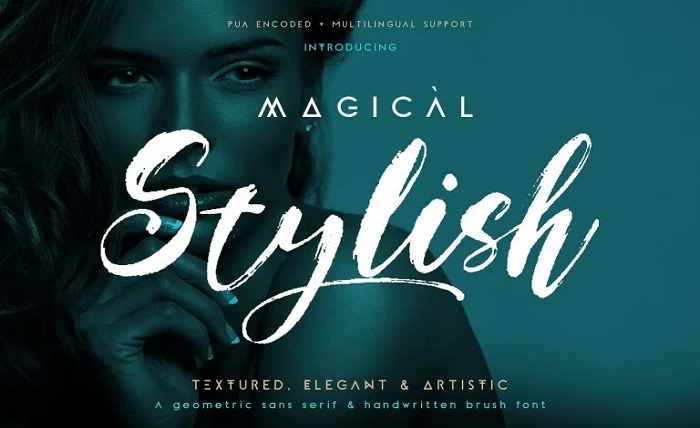
Script stylishfont designs mimic handwriting and calligraphy. These stylishfont styles are ideal for invitations, logos, and artistic projects that require elegance and creativity.
Decorative Stylishfont
Decorative stylishfont types are highly artistic and unique. They are often used for posters, branding, gaming, and entertainment projects where bold visual impact is important.
Monospace Stylishfont
Monospace stylishfont options use equal spacing between characters. These stylishfont styles are commonly used in coding, technical designs, and futuristic layouts.
Benefits of Using Stylishfont
Using a stylishfont offers many advantages for both personal and professional projects. One of the biggest benefits of stylishfont is improved visual appeal. Attractive typography captures attention quickly and makes content more engaging.
A stylishfont also strengthens branding. Companies that use a consistent stylishfont style create a recognizable identity that customers remember. This can improve trust, professionalism, and customer loyalty.
Another benefit of stylishfont is emotional communication. Different stylishfont styles create different feelings. For example, a handwritten stylishfont may feel warm and personal, while a bold stylishfont may appear powerful and energetic.
Stylishfont styles also improve creativity in digital content. Designers can experiment with typography to create unique social media posts, banners, logos, and advertisements. In competitive online environments, stylishfont choices can help content stand out from the crowd.
Finally, stylishfont enhances readability when chosen correctly. A clean and balanced stylishfont style makes information easier to understand and more enjoyable to read.
How to Choose the Best Stylishfont
Choosing the right stylishfont is important because typography affects how people perceive your message. The first step in selecting a stylishfont is understanding your audience and purpose.
For professional websites, a clean and modern stylishfont works best. Business brands often prefer elegant stylishfont options that communicate trust and professionalism. Creative projects, however, may benefit from artistic and decorative stylishfont styles.
Readability is another important factor when choosing a stylishfont. Even though decorative typography looks attractive, it should still be easy to read. Overly complicated stylishfont designs can confuse readers and reduce engagement.
You should also consider color and spacing when using stylishfont styles. Proper contrast and alignment improve the overall visual appearance of stylishfont text. Designers often combine multiple stylishfont types to create balance and hierarchy in content.
Testing your stylishfont on different devices is equally important. A stylishfont that looks beautiful on a desktop screen may appear unclear on mobile devices. Responsive typography ensures a consistent user experience.
Stylishfont for Social Media and Branding
Social media platforms have increased the demand for creative stylishfont designs because users want visually appealing content. Influencers, businesses, and creators use stylishfont styles to make their profiles and posts more attractive.
A stylishfont can help create a memorable Instagram bio, YouTube thumbnail, Facebook banner, or TikTok caption. Unique stylishfont styles immediately catch attention in crowded social media feeds.
Branding also depends heavily on stylishfont choices. Companies use stylishfont typography in logos, packaging, advertisements, and websites to communicate their identity. Luxury brands often use elegant stylishfont styles, while tech companies prefer modern minimalist typography.
Consistency is essential when using stylishfont for branding. Repeating the same stylishfont across all marketing materials helps build recognition and trust. Customers begin associating the stylishfont style with the brand itself.
Stylishfont trends continue evolving as digital design changes. Many modern brands now combine simple typography with creative stylishfont elements to achieve a clean yet stylish appearance.
Common Mistakes to Avoid When Using Stylishfont
While using a stylishfont can improve design quality, certain mistakes can reduce effectiveness. One common mistake is overusing decorative stylishfont styles. Too many complex fonts can make content look messy and difficult to read.
Another mistake is choosing a stylishfont that does not match the purpose of the project. For example, a playful stylishfont may not work well for serious business content. Matching the stylishfont to the tone of the message is essential.
Ignoring readability is also a major issue. Some stylishfont styles look attractive but become difficult to understand, especially on smaller screens. Designers should always prioritize user experience when selecting typography.
Using too many stylishfont variations in one design can create inconsistency. Most professional designers recommend limiting stylishfont combinations to two or three complementary styles.
Finally, failing to test stylishfont designs across devices and browsers can lead to display problems. A responsive stylishfont ensures consistent quality on desktops, tablets, and smartphones.
Conclusion
The world of stylishfont continues to grow as digital communication becomes more visual and creative. A stylishfont is more than just text—it is a powerful design element that influences branding, readability, and audience engagement. Whether you are creating content for social media, websites, advertisements, or personal projects, the right stylishfont can make your work look professional and memorable.
By understanding the different types of stylishfont styles, their benefits, and the best practices for using them, you can improve the quality of your designs significantly. Choosing a balanced, readable, and visually appealing stylishfont will help your content stand out in today’s competitive digital environment.
FAQs
1. What is a stylishfont used for?
A stylishfont is used to improve the appearance of text in websites, logos, social media posts, advertisements, and graphic designs.
2. Why is stylishfont important in branding?
A stylishfont helps create a unique brand identity, improves recognition, and makes marketing materials more visually appealing.
3. Which stylishfont is best for websites?
A clean and readable stylishfont, such as a sans-serif style, is usually best for websites because it improves user experience.
4. Can stylishfont improve social media engagement?
Yes, a creative stylishfont can attract attention, increase visual appeal, and encourage more interaction on social media platforms.
5. How do I choose the right stylishfont?
To choose the best stylishfont, consider readability, audience, branding style, and the purpose of your content.