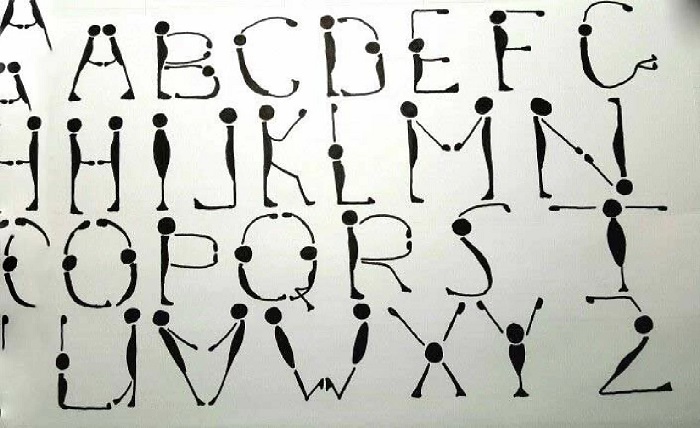
The concept of yazı stil has become increasingly important in modern design, branding, social media, and digital communication. Whether used in graphic design, web development, advertising, or personal creativity, yazı stil helps transform ordinary text into visually engaging content.
In today’s digital world, yazı stil is more than simply choosing a font. It reflects personality, creativity, professionalism, and emotional expression. Businesses use yazı stil to build strong brand identities, while designers use it to capture attention and improve user experience.
From elegant handwritten typography to bold modern lettering, yazı stil influences how people interpret messages. The right yazı stil can make content memorable, attractive, and easier to understand.
This complete guide explores the meaning, importance, types, trends, and professional techniques related to yazı stil, helping beginners and professionals master the art of typography and text styling.
The Meaning of Yazı Stil
The term yazı stil refers to the visual appearance and artistic presentation of written text. It includes font selection, typography arrangement, spacing, alignment, color, and decorative elements.
In graphic design, yazı stil plays a major role in communication. A clean and professional yazı stil can improve readability, while a creative and artistic yazı stil can enhance emotional impact.
Different industries use yazı stil in unique ways. For example:
- Businesses use yazı stil for branding and logos.
- Social media creators use yazı stil for eye-catching posts.
- Website designers rely on yazı stil for user-friendly interfaces.
- Artists experiment with yazı stil for creative typography projects.
The effectiveness of yazı stil depends on how well it matches the intended audience and purpose. Formal designs require elegant typography, while entertainment content often uses playful and bold yazı stil elements.
Modern digital platforms have made yazı stil more accessible than ever, allowing users to experiment with thousands of fonts and design combinations.
Types of Yazı Stil Used in Modern Design
There are many categories of yazı stil, each designed for different visual and communication purposes. Understanding these styles helps designers choose the right typography for their projects.
Serif Yazı Stil
Serif yazı stil includes small decorative strokes at the ends of letters. This style is commonly used in newspapers, books, and luxury branding because it appears elegant and traditional.
Sans-Serif Yazı Stil
Sans-serif yazı stil removes decorative strokes, creating a cleaner and more modern appearance. This type of yazı stil is popular in websites, mobile apps, and digital platforms.
Script Yazı Stil
Script yazı stil resembles handwritten or calligraphy-style lettering. It creates a personal and artistic look often used for invitations, logos, and creative branding.
Display Yazı Stil
Display yazı stil focuses on uniqueness and visual impact. Designers use this style for posters, advertisements, and headlines to attract attention quickly.
Minimalist Yazı Stil
Minimalist yazı stil emphasizes simplicity and clarity. This approach is common in modern branding and technology companies.
Each type of yazı stil creates a different emotional response, making typography selection a critical part of design strategy.
Importance of Yazı Stil in Branding
Brand identity heavily depends on yazı stil because typography affects how audiences perceive a company or product.
A professional yazı stil creates trust and credibility, while a creative yazı stil can make a brand stand out in competitive markets. Famous companies invest heavily in typography because consistent yazı stil improves brand recognition.
Luxury brands often use elegant serif yazı stil, while technology companies prefer clean sans-serif typography. Entertainment brands may use colorful and dynamic yazı stil to appear energetic and youthful.
Consistency is essential when using yazı stil in branding. Logos, websites, advertisements, packaging, and social media should maintain similar typography styles.
The psychological impact of yazı stil is also significant. Different typography styles influence emotions and consumer behavior. Bold fonts create strength and confidence, while rounded typography feels friendly and approachable.
Businesses that ignore yazı stil often struggle with weak visual identity and poor communication. Strong typography can dramatically improve marketing effectiveness.
Digital Trends in Yazı Stil
Modern technology has transformed the world of yazı stil by introducing advanced typography tools and digital design platforms.
One of the biggest trends in yazı stil is responsive typography. Designers now create text styles that adapt across mobile phones, tablets, and desktop screens.
Animated yazı stil is also becoming popular in social media and web design. Motion typography captures attention and increases user engagement.
3D typography is another growing trend in yazı stil, especially in advertising and entertainment design. This style adds depth and realism to text elements.
Minimalism continues to influence yazı stil trends. Clean layouts, large spacing, and simple typography are widely used in modern interfaces.
AI-powered typography tools are also shaping the future of yazı stil. Designers can now generate custom fonts, automate spacing adjustments, and experiment with creative layouts more efficiently.
Custom font creation has become easier, allowing brands to develop unique yazı stil identities that cannot be replicated easily.
As technology evolves, yazı stil will continue to play a major role in digital communication and visual storytelling.
How to Create an Effective Yazı Stil
Creating a successful yazı stil requires both creativity and strategic thinking. Designers must balance readability, aesthetics, and communication goals.
The first step in designing yazı stil is understanding the target audience. A playful yazı stil may work for children’s content, while corporate branding requires professionalism.
Font pairing is another important element of yazı stil. Combining two complementary fonts creates visual balance and hierarchy.
Color selection also affects yazı stil effectiveness. High contrast between text and background improves readability, while creative color combinations enhance visual appeal.
Spacing and alignment are essential in yazı stil design. Proper letter spacing, line spacing, and margins create cleaner and more organized typography.
Designers should avoid overusing decorative effects in yazı stil. Excessive shadows, gradients, or complex fonts can reduce readability.
Testing different layouts is important when refining yazı stil. Viewing typography on multiple devices helps identify usability issues.
Ultimately, successful yazı stil combines beauty with functionality, ensuring the text remains attractive and easy to understand.
Common Mistakes in Yazı Stil Design
Many beginners make avoidable errors while experimenting with yazı stil. Understanding these mistakes helps improve typography quality.
One common problem in yazı stil is using too many fonts in a single design. Excessive typography styles create confusion and visual inconsistency.
Another mistake is poor readability. Some decorative yazı stil choices look artistic but become difficult to read, especially on smaller screens.
Weak contrast is another issue in yazı stil design. Light text on bright backgrounds reduces visibility and hurts user experience.
Ignoring hierarchy is also problematic in yazı stil. Headlines, subheadings, and body text should have clear size differences to guide readers naturally.
Overcrowding text is another frequent mistake. Effective yazı stil requires enough whitespace to maintain clarity and elegance.
Designers should also avoid copying trends blindly. A trendy yazı stil may quickly become outdated if it lacks originality or purpose.
Learning from these mistakes helps designers create stronger and more professional typography.
Future of Yazı Stil in Creative Industries
The future of yazı stil looks extremely promising as digital communication continues to expand globally.
Virtual reality and augmented reality are expected to influence yazı stil design by introducing immersive typography experiences. Interactive text could become more common in gaming, education, and advertising.
AI-generated typography will also shape the future of yazı stil, allowing automated font creation and intelligent design recommendations.
Personalized typography is another emerging trend in yazı stil. Brands increasingly create custom fonts to establish stronger visual identities.
Sustainability may also impact yazı stil, encouraging minimalist and efficient designs that improve accessibility and reduce visual clutter.
Social media platforms continue to drive innovation in yazı stil, especially through animated text, dynamic captions, and short-form content design.
As creative industries evolve, yazı stil will remain one of the most important elements of visual communication and branding.
Conclusion
The world of yazı stil combines creativity, communication, technology, and branding into a powerful visual tool. Whether used in digital media, advertising, websites, logos, or social platforms, yazı stil influences how audiences perceive and interact with content.
Understanding typography styles, layout principles, and modern design trends is essential for mastering yazı stil. From serif fonts to animated typography, every design decision impacts readability, emotion, and engagement.
Businesses and creators who invest in strong yazı stil can build memorable identities and communicate messages more effectively. As technology continues to evolve, typography will become even more dynamic and innovative.
By practicing design fundamentals and experimenting with creative approaches, anyone can develop professional-level yazı stil skills and create visually impressive content.
FAQs
1. What does yazı stil mean?
yazı stil refers to the visual style and appearance of written text, including typography, fonts, spacing, alignment, and decorative design elements.
2. Why is yazı stil important in branding?
yazı stil is important because it helps create brand identity, improves communication, and influences how audiences emotionally connect with a business or product.
3. Which fonts are commonly used in yazı stil?
Popular fonts in yazı stil include serif, sans-serif, script, display, and minimalist typography styles depending on the design purpose.
4. How can beginners improve their yazı stil skills?
Beginners can improve yazı stil skills by studying typography principles, practicing font pairing, experimenting with layouts, and learning modern design tools.
5. What is the future of yazı stil?
The future of yazı stil includes AI-generated typography, animated text, immersive digital experiences, and personalized font design for branding and communication.